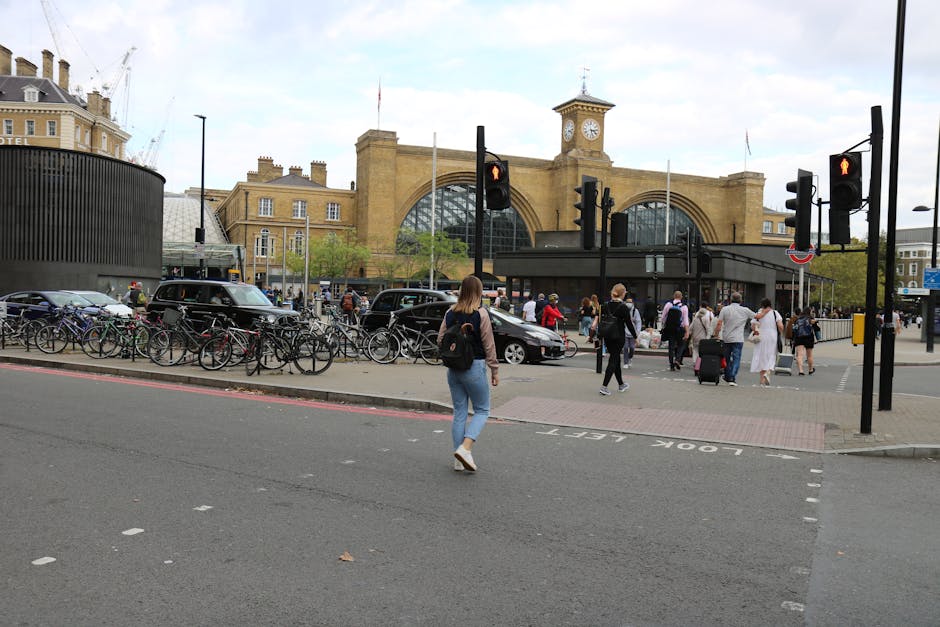
New Cross gardeners for terraces by New Cross Gate station: a practical guide to making small outdoor spaces work beautifully
If you live near New Cross Gate station, chances are your terrace has a lot of potential and not always a lot of room. That is exactly where experienced New Cross gardeners for terraces by New Cross Gate station can make a real difference. A good terrace garden should feel easy to live with, not like a weekend job that never ends. It should cope with wind, shade, container life, neighbours overlooking, and the odd London downpour. Sounds familiar?
In this guide, you will find a clear, local, and genuinely useful overview of how terrace gardening works in New Cross, what kind of planting tends to succeed, how to avoid expensive mistakes, and how to decide whether you need a one-off tidy-up or a more complete design-and-maintenance service. Along the way, we will also look at practical standards, compliance considerations, tools, and a few real-world examples so you can make better decisions with less guesswork.
Truth be told, terraces can be brilliant little gardens. They just need a slightly different approach from a lawn or a big back garden. Once you understand the rhythm of the space, it gets much easier.
Why New Cross gardeners for terraces by New Cross Gate station Matters
Terraces around New Cross Gate station often face a familiar set of challenges: limited floor space, exposure to wind tunnelling between buildings, uneven light, rail-adjacent dust, and neighbours who are close enough to notice every plant pot. That does not make the space difficult to enjoy. It just means the garden has to be designed with more intention.
New Cross gardeners who understand terrace work know that the job is not just about making things look pretty for a week in May. It is about creating a setup that survives daily life. In practical terms, that means choosing the right pots, the right plants, and the right maintenance rhythm for the conditions you actually have. Not the conditions you wish you had.
This matters because terrace gardens can quickly become cluttered or stressed if they are treated like standard garden beds. Containers dry out faster, drainage matters more, and plant choice has to be smarter. A terrace can feel lovely at 8am with a cup of tea, or messy by 3pm if the wind has had its way with a few lightweight pots. A skilled local gardener will spot that immediately.
It also matters from a lifestyle point of view. Many people near New Cross Gate want outdoor space they can enjoy before work, after work, or on a quiet Sunday afternoon. They want greenery without the burden of constant upkeep. They want order, but not sterility. A well-designed terrace gives you that middle ground.
For readers looking beyond terrace work, it can also help to explore broader local services such as our full gardening services, especially if your terrace is part of a wider property that also needs boundary planting or seasonal pruning. If you are comparing garden care options across the area, a useful next step is to review the areas we cover across South East London.
How New Cross gardeners for terraces by New Cross Gate station Works
Terrace gardening usually starts with a simple, practical assessment. A good gardener looks at sunlight, wind, access, drainage, the type of surface, and how you use the space. Do you eat outside? Grow herbs? Want privacy? Need low-maintenance planting because you travel often? Those details shape the plan more than people expect.
From there, the work tends to fall into a few core stages:
- Site review - checking light levels, exposure, and any awkward features such as shallow ledges or poor drainage.
- Planting plan - selecting plants that suit container life and the amount of sun or shade available.
- Pot and soil setup - choosing containers with reliable drainage and using a growing medium that holds moisture without getting waterlogged.
- Installation - placing pots, climbers, screens, and furniture in a way that keeps movement easy.
- Maintenance rhythm - agreeing how often watering, feeding, trimming, and seasonal refreshes will happen.
That sequence sounds simple, and in fairness, it is. The skill lies in the details. For example, a terrace that gets morning sun but afternoon shade will support a different planting palette from one that bakes from midday onwards. Likewise, a windy terrace near an open junction may need heavier containers and sturdier stems than a sheltered courtyard-style space.
If the work includes hedges, climbers, or structural planting beyond the terrace itself, it may be useful to pair terrace care with professional hedge cutting or regular garden maintenance so the whole space feels coherent rather than pieced together.
A lot of the process is also seasonal. Spring and early summer are often about establishing growth and making the space feel alive. Autumn is more about tidying, protecting tender plants, and setting the garden up for winter. Winter might seem quiet, but it is often when the best planning happens. A terrace that is designed only for peak summer can feel a bit sad by November. Nobody wants that, obviously.
Key Benefits and Practical Advantages
There are several reasons people near New Cross Gate station choose terrace-focused gardening help instead of trying to improvise it themselves.
1. Better use of limited space
Terraces do not give you much spare room, so every pot, bench, and planter has to earn its place. A gardener can help you avoid the common trap of buying too many small pots that just make the space feel busy. Fewer, larger, well-chosen containers often work better. They also retain moisture more effectively, which is a real bonus in warmer weather.
2. Plants that actually survive local conditions
A plant may look fantastic in a shop or garden centre, but that does not mean it will enjoy a windy terrace in south-east London. Experienced New Cross gardeners for terraces by New Cross Gate station know how to choose resilient, useful plants that suit the site. That might include evergreen structure, drought-tolerant herbs, shade-tolerant foliage, or seasonal colour that does not collapse after one dry spell.
3. Less maintenance stress
One of the biggest benefits is peace of mind. You do not need to be constantly checking whether the basil is wilting or whether the trailing plants have gone leggy. A sensible maintenance plan means the terrace becomes easier to live with. Not perfect. Just manageable, which is usually the real goal.
4. More privacy and comfort
Terraces often feel exposed. Strategic planting can soften sightlines, reduce hard edges, and create a more enclosed feel without turning the space into a jungle. Tall planters, climbers, and layered planting can make a big difference. It is surprising how quickly a terrace stops feeling like a leftover space and starts feeling like a room outdoors.
5. Better value from the space you already have
Instead of thinking about a bigger garden somewhere in the future, a terrace lets you enjoy your outdoor area now. A well-managed terrace may also support the broader presentation of the property, which matters whether you are renting, selling, or simply wanting the place to feel more settled.
Expert summary: The best terrace gardens are not the most crowded or the most expensive. They are the ones that balance light, wind, drainage, and day-to-day use so the space feels calm, useful, and alive.
If you want to see how terrace work fits into a broader planting and care plan, a helpful related read is our tree surgery service information for managing nearby structure, and lawn care support if your property also has a small ground-level garden to maintain.
Who This Is For and When It Makes Sense
Terrace gardening support is useful for a surprisingly wide range of people. You might recognise yourself in one of these situations:
- You have a terrace or balcony that looks a bit bare and you want it to feel finished.
- Your plants keep drying out, leaning, or going soggy for no obvious reason.
- You rent the property and need something attractive but not high-commitment.
- You work long hours and want low-maintenance planting that still looks good.
- You want more privacy from neighbouring windows.
- You are preparing to sell or let the property and need the outdoor space to present well.
- You enjoy gardening, but terrace containers and drainage are not your favourite thing.
It also makes sense if you have already tried a DIY approach and the results have been patchy. That is very common. People buy a few nice pots, a couple of plants from the local garden centre, and then realise that terrace conditions are a different beast entirely. The wind wins. The sun wins. The plants take the blame. Poor things.
In practical terms, terrace work is a good fit when you want one or more of the following: structure, simplicity, reliability, or a more polished look. If you want a full soft-landscaping redesign, that is one thing. If you just want the terrace to stop feeling temporary, that is another. Both are valid.
For related local support, homeowners and landlords often combine terrace work with patio cleaning or pressure washing services before any new pots and planting go in. It is a small step, but a clean surface instantly changes how the space reads.
Step-by-Step Guidance
If you are planning a terrace project near New Cross Gate station, this is the most practical way to approach it. No fluff, just the working order that tends to save time and money.
Step 1: Assess the terrace honestly
Spend a bit of time looking at light, wind, and access. Morning light is not the same as all-day sun. A sheltered corner can hold moisture for ages. A narrow terrace may have just enough room for two substantial planters rather than five small ones. Be honest about the space, because the terrace will be honest right back.
Step 2: Decide how you want to use it
Do you want somewhere to sit with coffee, grow herbs, screen a view, or simply make the place feel greener? Your use case should guide the design. If you entertain, leave clear circulation space. If you want privacy, think vertical. If you want easy upkeep, avoid overly delicate planting schemes.
Step 3: Choose a maintenance level
There is a big difference between a terrace that looks lovely once a year and one that stays tidy every month. A lower-maintenance scheme usually includes sturdier plants, self-watering elements where suitable, and fewer moving parts. A higher-detail scheme might use seasonal bedding and more frequent refreshes. Neither is wrong. It depends on your life.
Step 4: Pick the right containers
Containers should be stable, sized appropriately, and able to drain well. Lightweight pots can be useful, but on exposed terraces they may need anchoring or grouping to prevent movement. Materials matter too. Some retain moisture better than others; some heat up quickly in direct sun. A gardener with local experience will know what behaves well over time.
Step 5: Build the planting structure
Good terrace planting usually includes a mix of:
- evergreens for year-round shape,
- seasonal colour for interest,
- structural plants for height and balance,
- herbs or useful edibles if you want practical value,
- climbers for vertical softening and privacy.
This layered approach keeps the space from looking flat. A single row of the same plant can work, but it often lacks depth. Small space does not mean small ambition, by the way.
Step 6: Set up watering and aftercare
Terraces need a realistic watering routine. In hot spells, containers may need checking daily. In cooler weather, far less often. A good setup might include saucers, moisture-retentive compost, or grouped containers that shade each other slightly. If you are busy, ask about maintenance visits or a handover plan.
Step 7: Review after a few weeks
Most terrace projects improve once the first planting settles in. You may need to shift a pot, trim a climber, or swap one plant for another. That is normal. Gardens are not static. They breathe a bit, and they change with the weather. That is half the charm.
Expert Tips for Better Results
Here are some practical tips that tend to make a terrace perform better in New Cross and similar London settings.
- Use fewer, larger pots where possible. They usually look more intentional and are easier to water consistently.
- Think vertical. Trellises, climbers, and layered shelving can add greenery without taking up floor space.
- Choose a limited colour palette. Too many flower colours can make a small terrace feel busy. A calmer palette often looks more expensive, even when it is not.
- Prioritise foliage as well as flowers. Leaves carry a terrace through the months when blossoms are scarce.
- Group plants by water need. This is a small thing, but it stops one container from being overwatered while another dries out.
- Leave room for movement. If you cannot comfortably walk to each pot, maintenance becomes a nuisance.
- Plan for winter structure. The terrace should still look decent when the bedding plants are tired and the light is low.
One of the simplest expert habits is to stand at the doorway and look at the terrace from inside the property. Does it read as a tidy, inviting view, or does it look like a random collection of items? That quick check catches a surprising number of problems.
If you are shaping the wider outdoor space too, you may find weed control guidance useful for borders or edge areas, and garden clearance services handy when you are starting from a cluttered or neglected baseline.
Common Mistakes to Avoid
People often think terrace gardens fail because they are too small. Not really. They fail because the setup ignores the conditions.
Choosing plants for looks alone
That is probably the most common one. A plant can look fresh in a shop and still hate an exposed terrace. Always consider sun, wind, and how fast the container dries out.
Using too many tiny pots
Small pots dry out fast, tip over more easily, and create visual clutter. They can work in groups, but too many can make the terrace feel fussy.
Forgetting about drainage
Terrace plants sitting in water is a quick route to disappointment. Good drainage matters, and it matters more than people expect. One blocked saucer can ruin a perfectly good plant.
Ignoring maintenance after installation
A terrace is not a one-and-done project. Even low-maintenance schemes need checking. A windy week, a heatwave, or a wet spell can all change what the space needs.
Blocking access
When every corner is filled, watering and pruning become awkward. Then the maintenance slips. Then the terrace starts looking tired. It is a very ordinary chain reaction.
Mixing styles without a plan
A mix of sleek modern planters, rustic tubs, and random bargain pots can work if it is intentional. If not, it tends to look a bit accidental. Sometimes that is charming. Often, not so much.
A good local gardener will quietly steer you away from these mistakes before they become expensive. That is one of the hidden benefits of hiring someone who has actually worked on terraces in the area rather than just broadly "doing gardens".
Tools, Resources and Recommendations
For terrace work, the right tools are usually more useful than a huge toolkit. Most of the time, practicality beats gadgetry.
| Tool or Resource | Why It Helps | Best Use Case |
|---|---|---|
| Sturdy watering can | Gives better control than a hose on compact terraces | Daily or weekly watering of containers |
| Hand trowel and fork | Useful for planting and refreshing compost | Container planting and seasonal top-ups |
| Secateurs | Keeps climbers and shrubs tidy | Pruning, deadheading, shaping growth |
| Moisture-retentive compost | Helps pots hold water for longer | Exposed terraces, hot spells, busy owners |
| Heavy or stable planters | Reduces movement in wind | Open terraces near station-side exposure |
| Trellis or support frames | Adds vertical structure without losing floor space | Privacy screens and climbers |
| Maintenance calendar | Stops tasks being forgotten | Seasonal care and watering schedules |
In terms of resources, the most useful thing is usually a clear maintenance plan, not a drawer full of products. A simple calendar reminder for watering checks and seasonal trim-backs can save you from a lot of catch-up work. Sounds obvious, but people forget. We all do.
For readers wanting a broader outdoor-care package, lawn mowing support may be relevant if your property has a mixed garden layout, while garden design services can help if the terrace is being redesigned from scratch and needs a stronger visual plan.
Law, Compliance, Standards, or Best Practice
Most terrace gardening does not involve heavy regulation, but there are still a few sensible checks to keep in mind.
Lease and building rules: If you live in a flat, shared building, or managed property, check any lease terms or building guidance before adding larger planters, fixing supports to walls, or storing bulky items on a terrace. This is especially important where access routes or communal areas could be affected.
Weight considerations: Large containers, water, soil, and mature planting can become surprisingly heavy. On balconies and roof terraces in particular, it is sensible to avoid overloading surfaces and to seek professional guidance if you are unsure. Never guess on structural limits.
Water management: Good drainage is a best-practice issue as much as a plant-health issue. Standing water can damage plants and surfaces, and it can create nuisance runoff if the terrace is not designed thoughtfully.
Neighbour relations: Tall screening, trellises, or training climbers should be considered carefully so they do not create disputes about light, access, or shared boundaries. A considerate layout is usually the safest approach.
Working at height: If maintenance involves ladders, awkward access, or roof-edge work, this should be handled properly. Professional gardeners should use safe methods and suitable equipment. That is one of those areas where shortcuts are not worth it.
Best practice in a terrace setting is simple: protect the surface, avoid overloading, choose stable planting, and keep the layout easy to maintain. If you are ever in doubt, ask before you install.
Options, Methods, or Comparison Table
If you are deciding how to approach your terrace, these are the most common options. Each has its place.
| Approach | Best For | Pros | Trade-offs |
|---|---|---|---|
| DIY refresh | Small budgets and simple spaces | Quick, flexible, lower upfront cost | Easier to make drainage and plant-choice mistakes |
| One-off professional tidy-up | Overgrown or cluttered terraces | Fast improvement, clear reset | May not solve long-term maintenance |
| Design plus installation | Terraces needing a stronger visual plan | Better layout, stronger finish, more cohesion | Requires more planning and commitment |
| Regular maintenance service | Busy households and rental properties | Consistency, healthier plants, less stress | Ongoing cost and scheduling |
The right choice depends on how you use the space. If your terrace is mainly decorative, a design-led refresh might be enough. If you actually live out there in the warmer months, regular care is often the better investment. A terrace that is used hard needs a different strategy from one that is admired from the kitchen window.
Case Study or Real-World Example
Here is a realistic example from the kind of brief that comes up often near New Cross Gate station.
A flat had a narrow terrace that faced a fairly open stretch, so wind was a regular issue. The owner wanted two things: a calmer look from inside the living room and a few herbs for cooking. The terrace already had several small pots, but they dried out quickly and looked scattered. On a sunny afternoon, you could feel the heat rising from the paving; by the next morning, one corner would be bone dry while another stayed damp.
The solution was not to add more plants. It was to simplify. The setup was reduced to a smaller number of larger containers, with a mix of evergreen structure, a couple of herbs in a more sheltered position, and one climbing feature to soften the view from the window. The layout left a clear walking line, so watering was much easier. The overall effect was calmer and, honestly, much more grown-up.
After a few weeks, the owner reported that the space felt less like a storage ledge and more like part of the home. That is the thing with terrace gardens. They do not need to shout. They just need to make sense.
And sometimes, the most successful change is the one that looks almost simple.
Practical Checklist
Use this checklist before starting terrace garden work near New Cross Gate station.
- Check how much sun and shade the terrace gets across the day.
- Assess wind exposure, especially on upper floors or open corners.
- Measure available floor space and keep walking routes clear.
- Confirm any lease, building, or management restrictions.
- Choose containers with reliable drainage.
- Use plants suited to terrace conditions, not just attractive ones.
- Group plants by similar water needs.
- Plan for winter structure as well as summer colour.
- Decide whether you need one-off help or ongoing maintenance.
- Keep a simple watering and pruning routine.
- Review the layout after installation and make small adjustments.
If you can tick most of those off, you are already ahead of the curve. Not perfect, just properly set up.
Conclusion
New Cross gardeners for terraces by New Cross Gate station are there to help you get more from a small but valuable outdoor space. The right approach blends plant knowledge, practical layout thinking, and a realistic maintenance plan. That combination is what turns a terrace from a patch of paving into a place you actually want to spend time in.
Whether your priority is privacy, colour, herbs, cleaner lines, or a low-maintenance green backdrop, the key is to work with the space rather than fight it. Keep the design simple where it needs to be simple, and let the planting carry the atmosphere. That tends to age well, which is what you want.
If you are ready to improve your terrace, speak to a local team that understands the conditions around New Cross Gate station and can tailor the work to your home, your routine, and the amount of care you realistically want to give it.
Get a free quote today and see how much you can save.
Frequently Asked Questions
What do New Cross gardeners for terraces by New Cross Gate station actually do?
They design, install, and maintain terrace planting and container gardens suited to local conditions. That usually includes plant selection, pot placement, drainage, pruning, watering support, and seasonal refreshes.
Are terrace gardens hard to maintain in New Cross?
They can be if they are not planned properly. Wind, limited soil volume, and changing sunlight all affect container plants. A well-designed terrace is usually much easier to maintain than a random collection of pots.
Which plants work best on a terrace near New Cross Gate station?
It depends on the light and exposure, but sturdy evergreens, hardy herbs, shade-tolerant foliage, and climbers often perform well. A gardener will usually choose plants that cope with wind and drying out more reliably.
How often do terrace plants need watering?
There is no single answer. In warm or windy weather, some containers may need daily checks. In cooler periods, far less. The key is to check the soil rather than guessing.
Can a terrace garden be made low maintenance?
Yes. The trick is to use a sensible number of larger containers, choose resilient plants, and keep the layout simple. Low maintenance does not mean no maintenance, though. Let's face it, plants still need a bit of attention.
Do I need permission to add planters or trellises to a terrace?
Sometimes, yes. If you live in a flat or managed property, check lease or building rules before fixing anything to walls, adding heavy items, or changing the terrace structure.
What is the biggest mistake people make with terrace gardening?
Choosing plants for looks alone. A plant that is happy in a sheltered garden bed may struggle on an exposed terrace. Drainage and wind resistance matter just as much as appearance.
How much space do I need for a good terrace garden?
You do not need much space to create something attractive. Even a narrow terrace can work well if the layout is thoughtful. Larger pots, vertical planting, and clear circulation make a big difference.
Is terrace gardening worth it for renters?
Often, yes. As long as the setup is portable and does not breach building rules, a terrace can be improved in ways that are attractive and removable. Container planting is especially useful for renters.
What should I ask before hiring a gardener for terrace work?
Ask about terrace experience, plant choices for your conditions, drainage, maintenance options, and whether they can help with both design and aftercare. It is also sensible to ask how they handle windy or shaded spaces.
Can terrace gardening help with privacy?
Yes. Taller planters, climbers, and layered planting can soften views into the terrace and make the area feel more enclosed. It will not create a wall, but it can make the space feel much more comfortable.
What is the best time of year to start a terrace garden?
Spring is often a popular time because plants establish well and the space is ready for warmer weather. That said, autumn can also be a smart time to plan, tidy, and set up structure before winter arrives.
Whether you are starting from scratch or rescuing a terrace that has become a bit unruly, the right local help can make the space feel easier, calmer, and more yours. That is the nice part, really. A terrace can change how home feels, one pot at a time.