Hedge Trimming in New Cross
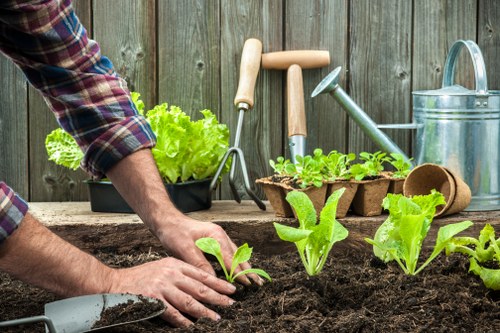
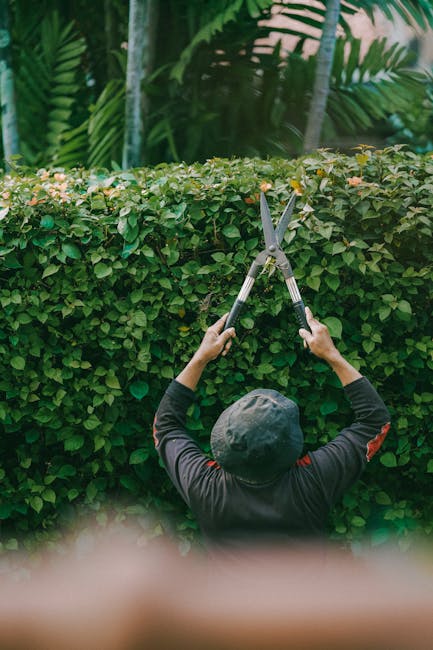
We provide hedge trimming in New Cross for domestic gardens and managed outdoor spaces that need tidy, controlled growth and a cleaner finish. Our work focuses on shaping hedges, reducing overgrowth and keeping living boundaries in better order without stripping them back too hard. If you want a neat line along a front garden, a safer height near a path, or a more balanced outline around a larger plot, we can help with a practical service shaped around the hedge itself.
Good trimming is about more than appearance. It supports healthier growth, helps preserve structure and can stop one side from becoming heavy or uneven. We work on a range of common hedge types and can trim them with attention to shape, thickness and seasonal condition. For straightforward planning, you can use our services overview to see how hedge care sits alongside the rest of our outdoor work.
To request a quotation, tell us what sort of hedge you have, how much work is needed and whether access is straightforward. If you already know the rough height or length, include that too. Clear details make it easier to give a sensible price, especially where trimming, reduction and waste handling all need to be considered together. You can also ask us about our pricing and quotes information before you decide what to arrange next.
Shaping, Reduction and Routine Hedge Care
Hedges often need different treatment depending on how they have grown. Some only need a light tidy to sharpen the edges, while others need more careful reduction to bring height and spread back under control. We shape hedges so the finished line feels deliberate rather than clipped at random, and we try to keep the plant looking full where that matters. The aim is a balanced result that suits the garden rather than forcing every hedge into the same outline.
Where hedges have become broad or unruly, trimming may involve working in stages. That can mean taking a little from the top, correcting the sides and then checking the overall symmetry before finishing. This approach is often better for dense growth than trying to remove too much in one pass. For larger garden work, our garden maintenance page gives a broader view of the kinds of regular outdoor tasks we can support.
What a trimming visit can involve
A typical hedge trimming job may include several practical steps chosen to suit the hedge and access. Those steps can include:
- reducing overhang onto paths, drives or lawn edges
- straightening the face of a hedge that has drifted out of line
- bringing the top back to an even and manageable height
- removing loose cuttings so the area is left tidy
- checking whether the hedge needs a light trim or a more substantial reduction
Handling Waste, Cuttings and Garden Clean Finish

After trimming, the amount of material left behind can vary a great deal depending on the hedge species and how much growth has been taken off. We can deal with the cuttings as part of the job so the work area is left in better order once the trimming is complete. This is especially useful where hedges shed a lot of fine material that quickly spreads across beds, paving or lawns. A neat finish matters because the job is not really complete while loose clippings are still sitting around the garden.
Some customers prefer to keep the work simple and focus only on the hedge itself, while others want a fuller tidy-up afterwards. Where needed, hedge cutting can be combined with wider garden clearance or routine maintenance, depending on what the site requires. If you are looking at a broader outdoor tidy rather than one hedge alone, you may also want to review our garden clearance service for related support around cuttings, debris and general outdoor tidying.
We can also consider access and disposal in the quotation stage so there is no confusion about what the job covers. If the hedge sits above fencing, near narrow side access or close to planting that needs care, that may affect how the work is carried out and how long it takes. The more the quotation matches the real layout, the more accurate it is likely to be.
When a Hedge Needs More Than a Quick Cut
Not every hedge is best served by a simple trim. Some have been left too long between visits, while others have sections that are sparse, woody or leaning into one side. In those cases, hedge work needs more judgment so the result looks natural and does not leave bare patches unnecessarily exposed. We can look at the current condition and choose a cut that reflects the hedge’s growth rather than just reducing everything to the same level.
There are times when trimming sits alongside related work such as shaping adjoining planting or managing nearby greenery. That can be useful where a hedge acts as part of a broader boundary scheme, or where adjacent shrubs have grown into it. If your project includes other outdoor changes, our landscape gardening page may be useful for understanding how hedges can form part of a wider garden layout. The key is to keep the work practical and proportionate.
Hedges also differ in how they respond to trimming. Dense evergreens, mixed boundary hedges and older established lines all need a slightly different approach. A careful trim can help maintain privacy and structure, but it should still respect the plant’s natural framework. That is why it is useful to describe the hedge type and current condition when you ask for a quotation.
Access, Boundaries and Tidy Edges
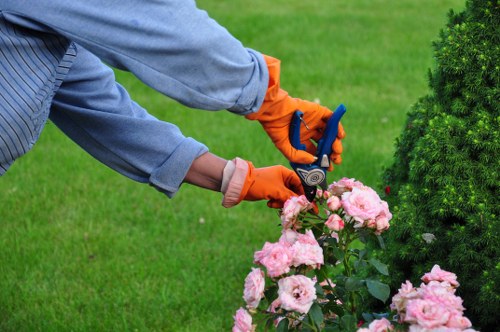
Good hedge trimming often depends on access. A hedge that runs along the front boundary may be easy to reach, while one tucked into a side return or behind a narrow path may need more preparation. We can work with the practical layout of the space and trim with attention to walls, fencing, gates and nearby planting. The goal is always a cleaner edge with as little unnecessary disturbance as possible.
Boundary hedges often affect how a whole garden feels, especially when they sit beside footpaths, drives or neighbouring plots. That means the finishing line matters as much as the amount taken off. A hedge with a crisp top and clean sides can make a frontage feel more ordered without changing the garden’s character. If you want to compare hedge work with other external improvements, our landscaping page may help you understand the broader kinds of garden changes we support.
Useful details for a quotation
When you ask for a quotation, it helps to include a few practical details rather than a long explanation. Useful information may include the approximate length of the hedge, the current height, whether both sides need attention and whether you want clippings removed. If there are difficult access points, steep sections or nearby features to protect, mention those too. Specific information helps us quote for the work that is actually needed.
Trimming for Domestic Gardens and Managed Spaces
We carry out hedge trimming for a range of outdoor settings, including private gardens that need regular attention and more managed spaces where consistency matters. In domestic settings, the work may be about keeping a border hedge neat through the growing season. In larger or more managed grounds, the emphasis may be on presentation, access and keeping growth within sensible limits. The work is similar in method, but the priorities can differ from site to site.
Where hedges are part of ongoing garden care, trimming often works best as a repeated task rather than a one-off rescue. Routine attention can make future cuts easier and help avoid the need for drastic reshaping. For customers who want a regular approach to outdoor upkeep, our lawn-mowing service sits naturally alongside hedge care because both contribute to a cleaner overall finish. Keeping the different parts of the garden in step often gives the best result.
We also take account of how hedge work affects the rest of the garden. A hedge trimmed properly can open up light, improve access and make surrounding areas easier to look after. Yet the cut still needs to suit the plant and the setting. The point is not simply to remove growth, but to leave the hedge looking intentional and manageable for the next stage of the season.
About New Cross
New Cross is an area in the London Borough of Lewisham in south-east London, known for its strong connections to transport, education and cultural life. It sits within the wider urban fabric of inner London, with busy streets, terraced housing and a mix of residential and commercial uses. The area is closely associated with Goldsmiths, University of London, which has long been one of its defining institutions. Nearby transport links include New Cross station and New Cross Gate station, giving the district a well-connected position for travel across London and beyond. The locality also lies within reach of Deptford, Brockley and Lewisham, placing it at the meeting point of several distinct parts of south-east London. New Cross has a history shaped by industry, railways and dense urban development, and its built form still reflects that past in the pattern of terraces, older public buildings and road corridors. Cultural life has also been important here, with performance spaces, music venues and community activity contributing to the area’s identity. Although the neighbourhood has changed over time, it remains associated with a lively mix of local streets, student life and long-established residential communities. Parks and open spaces nearby add contrast to the built environment, and the area’s architecture ranges from modest domestic buildings to larger institutional sites. Taken together, these features make New Cross a distinctive part of London with a clear sense of place and an enduring local character.
Seasonal Timing and Garden Structure

Hedge trimming can be timed to suit the growth pattern of the hedge and the way the garden is used. Some hedges benefit from more regular light cutting, while others need less frequent but more considered work. The right schedule depends on the species, the season and the desired finish. A hedge that is part of a formal frontage may call for sharper edges, while a softer boundary hedge may be kept fuller. We work with the structure of the planting rather than forcing it into an unsuitable routine.
In many gardens, hedge care is linked to the way paths, fences, lawns and planting beds fit together. Trimming may help keep circulation routes clear, maintain sightlines and stop growth from pressing too far into usable space. If your hedge is being considered as part of a larger outdoor refresh, our decking services page shows another part of the exterior work we can support where different garden features need to work together. A well-kept hedge often complements hard landscaping more effectively than an overgrown one.
Where hedges have a mixed role, such as marking a boundary while also softening views, the cut has to be judged carefully. Too much reduction can make a garden feel exposed, while too little can leave the boundary untidy. That balance is one reason customers often prefer to speak about the hedge in practical terms rather than using only rough categories. A good quotation reflects that balance from the outset.
Preparing for a Quotation and Booking the Work
Before you ask for a quotation, it is useful to think through what the hedge actually needs. Is it a light tidy, a height reduction, a side cut or a fuller reshaping? Would you like the waste removed, or are you handling that separately? By clarifying those points in advance, you help make the quotation more relevant and reduce the chance of surprises later on. That also makes it easier to compare the work with any other garden tasks you may be planning.
It can also help to note whether the hedge is easy to reach and whether there are any obstacles nearby. Narrow access, uneven ground, delicate planting and boundary structures can all influence how the work is carried out. If you are unsure what level of trimming is suitable, a clear description of the hedge’s current state is usually enough to start the conversation. You can then ask for the next step when you are ready to contact us about a quotation.
What makes a useful enquiry
A useful enquiry does not need to be long. It simply needs to describe the hedge, the kind of finish you want and any practical limits that matter on site. If you have more than one hedge, list them separately if they need different treatment. That makes it easier to set expectations and helps the quotation reflect the actual scope of work. The aim is straightforward: a clear, workable request and a response based on the job as described.
Related Outdoor Services and Ongoing Garden Care

Hedge trimming often sits within a broader pattern of garden care rather than standing alone. For some customers, it is one part of a seasonal tidy-up that also includes other boundary work, tree attention or general maintenance. For others, it is a regular service used to keep the garden looking ordered through the year. We can align hedge work with related services where that makes practical sense, which helps keep the garden consistent from one area to the next.
If your outdoor plans extend beyond hedges, our tree lopping and removal page may be relevant where larger growth needs to be assessed alongside boundary planting. Some gardens benefit from a joined-up approach, especially when trees and hedges affect one another through shade, spread or encroaching branches. For a broader sense of our service range, the services overview brings together the main types of work we can help with in one place.
If you are ready to discuss hedge trimming in New Cross, send us the details of the hedge and the finish you want, and we can move towards a quotation. You do not need to over-explain the job; just give the practical facts and say what outcome you want. If you would like to compare your options first, review our pricing and quotes information and then ask us for a quotation when you are ready.