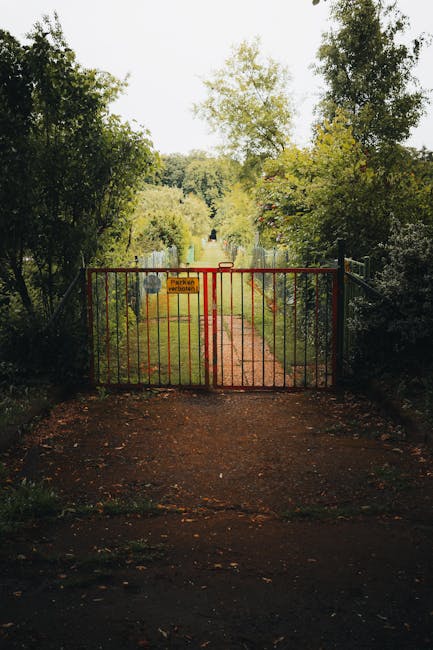
Access problems for New Cross gardeners narrow alleys and gates

If you live in New Cross, you probably already know that some gardens are easy to reach and others are a bit of a squeeze. Narrow side alleys, awkward latch gates, shared passageways, steep steps, and "just about wide enough" entrances can turn a simple tidy-up into a planning exercise. That is exactly why access problems for New Cross gardeners narrow alleys and gates matter: they affect time, safety, equipment choice, waste removal, and the quality of the finished job.
In practice, good gardening work in tight-access properties is less about brute force and more about preparation. A thoughtful approach saves broken fence panels, damaged planting, frustrated neighbours, and the sort of avoidable delays that make everyone sigh. This guide breaks down what tight access really means, how professionals work around it, what to ask before the first visit, and how to get a cleaner result with fewer headaches. Truth be told, the small details make a huge difference here.
Why Access problems for New Cross gardeners narrow alleys and gates Matters
Access sounds like a boring operational detail until you hit it head-on. Then it becomes the whole job. In New Cross, a lot of homes sit on older plots or closely packed streets, which can mean long, skinny side passages, shared entrances, or gates that barely clear a wheelbarrow. That changes everything from the first cut of grass to the last bag of clippings leaving the site.
When access is tight, a gardener may need to work more slowly, carry tools by hand, split tasks into stages, or choose smaller equipment. If this is ignored, the result can be messy and expensive: repeated trips, overrun labour time, damage to surfaces, and waste left behind because it simply could not be moved easily. Not ideal. And if you have ever watched a full hedge cut turn into a careful hand-carry operation through a narrow alley, you will know the mood changes pretty quickly.
There is also the neighbour factor. In a close-packed part of London, access often means shared or semi-shared space. That means extra care around noise, mud, gate latches, and where sacks of waste are placed while waiting to be removed. A tidy process protects relationships as much as gardens.
How Access problems for New Cross gardeners narrow alleys and gates Works
Managing tight access is usually a step-by-step process, not a single fix. A good gardener or landscaping team will start by looking at the entrance width, gate swing, path surface, head height, corner turns, and the distance from the front boundary to the actual work area. That sounds a bit clinical, but it stops guesswork later.
Here is how it often works in real life:
- Initial access check. The team looks at gate widths, latch types, steps, slopes, and whether any obstacles need moving first.
- Equipment match. Smaller mowers, compact hand tools, foldable trolleys, and lighter bags may be chosen instead of bulky kit.
- Route planning. The path in and out is mapped so the team is not constantly turning around or carrying waste through the same cramped spot.
- Protection of surfaces. Where needed, boards, mats, or careful lifting methods are used to avoid scuffs and mud transfer.
- Waste handling. Cuttings, branches, soil, and old materials are bagged or bundled in a way that suits the available exit route.
In narrow alleys, the most practical approach is often to reduce the number of times material has to move. So rather than carrying a little bit here and there, a team may work in sensible batches. It feels slower at first, but it often saves time overall. A bit ironic, really.
If your project includes larger improvements, it can also affect design choices. For example, a garden layout that would work beautifully in a wide-open plot may be awkward if a new feature cannot physically be delivered down the side passage. This is why access should be considered early, especially for jobs linked to landscaping or landscape gardening.
Key Benefits and Practical Advantages
Planning around access problems is not just about avoiding hassle. It brings real practical benefits that matter to homeowners and landlords alike.
- Less disruption. Clear access planning usually means fewer interruptions and fewer last-minute changes.
- Safer working. Tight spaces are where trips, strains, and accidental knocks happen, so a measured approach helps.
- Cleaner finish. If tools and waste can be moved efficiently, the garden is easier to leave tidy.
- Better protection for property. Narrow entrances often sit close to walls, render, planters, glazing, or decorative fencing.
- More realistic quoting. When access is discussed early, labour and logistics can be estimated more accurately.
There is a quieter benefit too: better communication. Once everyone understands that the gate is awkward and the alley is tight, nobody is surprised when the team takes a little longer to get a hedge off-site or asks for the bin area to be cleared in advance. That alone removes a lot of friction.
Practical summary: The best results in tight-access gardens come from planning the route before planning the work. If the tools and waste cannot move efficiently, the garden job itself becomes harder than it needs to be.
Who This Is For and When It Makes Sense
This topic is relevant if you have a small rear garden, a terrace property, a shared passage, a locked side gate, or a garden that is only reachable through a narrow entrance. It also matters if you are arranging regular maintenance and want to avoid repeated access hassles every few weeks.
It is especially useful for:
- homeowners with narrow side alleys or courtyard-style gardens
- landlords and letting agents preparing properties between tenancies
- people arranging hedge cutting, lawn care, or general tidy-ups
- clients planning larger work such as clearance or new planting
- older properties where gates and paths were not designed for modern equipment
If the garden is overgrown, access gets even trickier. A gate that already felt tight can become effectively tighter once brambles, self-seeded growth, or hedge lines start leaning into the route. In those cases, a one-off tidy via garden clearance may be the sensible starting point before anything else.
And yes, sometimes the answer is simply that the access is too narrow for certain tools. That does not mean the job cannot be done. It just means the method has to change. Small tools, more hand work, more patience. Not glamorous, but effective.
Step-by-Step Guidance
If you are trying to prepare a New Cross garden with difficult access, this simple process will help.
- Measure the entrance. Check the gate opening, the width of the alley, and any pinch points such as bins, meter boxes, or protruding bricks.
- Look at the full route. Do not stop at the gate. Ask yourself whether the gardener can actually turn, carry, and set down tools safely once inside.
- Identify the awkward items. Large branches, long hedge trimmings, bulky waste, slabs, decking parts, or rolls of turf may need special handling.
- Clear the path first. Remove bikes, plant pots, garden furniture, loose hoses, and anything else that turns a narrow passage into an obstacle course.
- Confirm gate access. Is the gate wide enough? Does it stick? Does it swing fully open, or does it catch on gravel, soil, or vegetation?
- Ask about equipment. A team using compact tools and sensible carrying methods is usually better suited to access-limited sites.
- Plan waste removal. Agree where sacks or branches will be staged and how they will leave the property.
- Set expectations clearly. If a job will take longer because everything has to be moved by hand, say so up front.
That might sound simple, but simple is good. A five-minute access check can save an hour of awkward movement later. Maybe more.
Expert Tips for Better Results
After enough tight-access jobs, certain patterns become obvious. The first is that smaller, calmer routines work best. The second is that the property owner often knows the trickiest bit before anyone arrives.
- Take photos of the entrance. A quick picture of the gate, alley, and any tight corner gives the gardener a much better idea of what to bring.
- Open everything before the team arrives. Sounds obvious, but locked gates and stuck latches are a classic time-waster.
- Choose maintenance over rescue when possible. Regular visits are easier than tackling a garden that has grown across the route.
- Trim the access route as well as the garden. Overhanging shrubs and hedge growth can reduce usable width surprisingly fast.
- Think in stages for bigger projects. A first visit may be about clearing, a second about shaping, and a third about finishing details.
- Keep one path purely for movement. If you can preserve a clean route in and out, the whole job feels less chaotic.
For ongoing upkeep, combining access planning with garden maintenance makes life easier. Regular maintenance means less overgrowth around gates, fewer hidden hazards, and much less of that "how did it get this bad?" feeling we all know too well.
One small but useful tip: make sure the lock or latch is easy to use with one hand. If the gardener is trying to hold tools, a bag, and a gate at the same time, things get clumsy fast. Then there is the wobble. Nobody needs the wobble.
Common Mistakes to Avoid
Access issues are usually manageable, but a few mistakes turn them into proper problems.
- Assuming all gates are the same. A gate that looks fine from the street may open only halfway or snag on the ground.
- Leaving the route cluttered. Tools, bikes, bins, and planters often reduce usable width more than people realise.
- Forgetting waste movement. People think about entry, but not about how clippings and debris will leave.
- Choosing oversized equipment. A large mower or bulky cutter can be a poor fit for confined spaces.
- Ignoring neighbour access. Shared passages need a bit of diplomacy. Sometimes more than a bit.
- Not mentioning low head height. Hanging branches, low cables, and awkward overhead fixtures can matter just as much as width.
Another common one: waiting until the day of the job to mention that the gate sticks shut unless it is lifted, pushed, and persuaded. That is the sort of detail everyone wishes they had known earlier.
Tools, Resources and Recommendations
You do not need specialist machinery for every tight-access garden. In many New Cross properties, the right mix is much simpler: hand tools, compact mowers, secateurs, folding saws, lightweight barrows, sacks that are easy to carry, and protective covers for surfaces that scratch easily.
For more complex properties, a professional team may also bring:
- small-wheeled carts or carry bags for waste
- extendable hand tools for reaching awkward areas without forcing access
- mats or boards to protect paths and thresholds
- lighting for dim side passages on short winter days
- rope, straps, or bundling methods for branches and cuttings
If you are improving the garden as well as maintaining it, consider whether the design itself could be made more access-friendly. That might mean reshaping a path, adjusting planting beds, or simplifying a tight corner so the route stays usable. Landscaping can solve more than one problem at once when it is planned with access in mind.
For properties where a new step, platform, or outdoor structure is part of the plan, it is also worth thinking about how materials will be delivered and installed. A beautifully designed garden is only useful if it can actually be built on site. That is where careful coordination with decking services can be helpful on suitable projects.
Law, Compliance, Standards, or Best Practice
Most access issues in domestic gardens are handled through common sense, good communication, and basic safety practice rather than anything dramatic. Still, there are a few important expectations worth keeping in mind.
In the UK, work should be carried out with reasonable care to prevent injury and property damage. That means gardeners should avoid forcing equipment through spaces that are clearly too tight, manage trip hazards, and be cautious with lifting and carrying. If waste or materials must pass through shared areas, it should be done in a way that respects other users of the space.
Good practice usually includes:
- confirming access before the visit
- using equipment suited to the space
- keeping routes clear and dry where possible
- working safely around gates, steps, and uneven ground
- protecting walls, floors, and external finishes from accidental damage
If a service provider has published safety information, that is worth reading. You can also look at practical policies such as the health and safety policy, insurance and safety information, and accessibility statement to understand how the business thinks about risk, inclusion, and customer access. Those pages do not replace a site visit, of course, but they do tell you a lot about approach.
Environmental handling matters too. Green waste should be sorted and removed responsibly, especially on larger tidy-ups. A sensible provider will think about reusable materials, waste reduction, and cleaner disposal practices. That kind of detail is covered in general terms by recycling and sustainability.
Options, Methods, or Comparison Table
There is no single best method for every access problem. The right choice depends on the gate width, the size of the job, and how much waste is involved. Here is a straightforward comparison.
| Method | Best for | Pros | Watch-outs |
|---|---|---|---|
| Standard equipment and normal access | Wider gates, open routes, simple tidy-ups | Fast, efficient, less manual carrying | Not suitable for cramped alleys or awkward turns |
| Compact tools and hand-carry workflow | Narrow side passages and smaller gardens | Flexible, low-risk, better for tight spaces | Can take longer and needs careful organisation |
| Staged clearance visits | Overgrown gardens, blocked routes, heavier waste | Reduces pressure, easier to manage safely | Requires more planning and possibly more than one visit |
| Design changes to improve access | Long-term improvement projects | Makes future work easier, cleaner and safer | Needs upfront thought and may involve construction work |
If you are unsure which route fits your garden, start with the simplest question: can materials move in and out without forcing anything? If the answer is no, it usually points to compact methods or staged work rather than trying to "make it fit". Gardens do not reward stubbornness. They really don't.
Case Study or Real-World Example
Imagine a back garden behind a terraced New Cross home. The only access is through a narrow side alley with a gate that opens inward and brushes a brick wall when fully swung. The garden itself is not huge, but the hedge has crept into the passage, and the lawn needs mowing, edging, and a full tidy-up. The owner wants it sorted before a family gathering at the weekend, naturally.
A sensible approach would be to start with the access route, not the lawn. The overhanging growth along the alley gets cut back first so the passage is usable. The gate latch is checked, the route is cleared of bins and loose pots, and the team brings smaller tools rather than bulky kit. Waste is bagged in manageable loads and moved out in stages. Because the team is not trying to force large items through a cramped space, the job stays controlled and tidy.
At the end, the garden looks neat, the alley is clear, and the owner is relieved the work did not leave scuffs on the wall or a trail of grass cuttings through the house side. That last bit matters more than people expect. Nobody enjoys finding clippings by the back door three days later.
This is the sort of situation where clear access planning works hand in hand with routine lawn care and trimming. If the hedge line and grass had been kept under control all along, the access route would have stayed easier too.
Practical Checklist
Use this quick checklist before booking or starting work in a narrow-access New Cross garden.
- Measure the gate width and note any sticking points
- Check whether the gate opens fully and closes cleanly
- Clear bins, bikes, hoses, pots, and loose items from the route
- Tell the gardener about steps, slopes, and low overhead obstacles
- Share photos if the access looks especially tight
- Decide where waste will be staged and removed from
- Ask whether compact tools are more suitable than standard equipment
- Confirm whether the work should be done in one visit or in stages
- Think about neighbour access if passageways are shared
- Read the provider's policies if safety and insurance are important to you
That little bit of prep can make the whole job feel calmer. Less guesswork. Fewer interruptions. A cleaner finish.
Conclusion
Access problems for New Cross gardeners narrow alleys and gates are common, but they are not a dead end. With the right planning, the right tools, and a realistic approach to movement and waste handling, even tricky gardens can be managed well. The real trick is to treat access as part of the job, not an annoying extra.
When you do that, everything gets easier: quoting is more accurate, work is safer, neighbours are less likely to be bothered, and the end result is usually better. That is especially true in compact London properties where the route to the garden can be just as important as the garden itself.
If you are getting ready for a tidy-up, clearance, hedge cut, or a bigger landscape project, start with the entrance and work outward. Simple, but effective. And if you want a service that is set up to think through the awkward bits properly, it is worth exploring the wider range of garden support available across the site, including services overview and the team background on about us.
Get a free quote today and see how much you can save.
Frequently Asked Questions
How do gardeners handle very narrow side alleys in New Cross?
They usually use compact tools, smaller carry loads, and a planned route for waste removal. If the alley is especially tight, the job may be split into stages so nothing gets forced through the space.
Can a garden still be maintained if the gate is too small for a mower?
Yes. A smaller mower may work, or the lawn may be cut using hand tools in certain areas. The key is to match the method to the access, rather than expecting one machine to suit every property.
What should I tell a gardener before they visit?
Tell them the gate width, whether the gate sticks, if the alley has steps or slopes, and whether anything blocks the path. A photo or two is often enough to help them prepare properly.
Is tight access a problem for hedge trimming?
It can be, especially if cuttings need to be carried through a narrow route. That said, hedge work is often still manageable with the right setup and a sensible approach to waste handling.
Do narrow gates make garden clearance more expensive?
They can increase labour time because more material has to be carried by hand or moved in smaller batches. The final cost depends on the size of the job, how awkward the route is, and how much waste comes out.
Should I clear the access route before the gardeners arrive?
Yes, if you can. Removing bins, bikes, pots, and loose items makes the work safer and quicker. It is a small effort, but it usually pays off straight away.
What if the side passage is shared with neighbours?
Then it is wise to keep communication polite and the route as tidy as possible. Shared access needs extra care, especially if tools or waste will pass through more than once.
Can landscaping be designed around access problems?
Absolutely. In many cases, better layout choices can make future maintenance much easier. Wider routes, simpler planting lines, and fewer tight corners all help in the long run.
How do I know whether my garden needs a one-off clearance or regular maintenance?
If the garden is badly overgrown and the access route is partly blocked, clearance is often the right first step. If the space is already manageable, regular maintenance may be the better and cheaper option over time.
Are safety and insurance important for tight-access garden work?
Yes. Tight spaces increase the chance of knocks, slips, and surface damage, so it is sensible to check how a provider handles risk. Reading their health and safety policy and insurance and safety information is a practical first step.
What is the best way to prepare for a visit if I only have a small gate?
Keep the route clear, share photos in advance, and mention any awkward details early. If possible, open the gate fully and check that it moves freely before the team arrives. That one little step can save a surprising amount of faff.
Where can I find more information about how the business works?
You can review the company background on about us, look at the services overview, or check practical pages such as pricing and quotes and contact us if you are ready to discuss your garden.